Edit this page on GitHub (opens in a new tab)
如果你是第一次了解 Zcash,你会立即发现可能发生两类交易(transaction):透明 [transparent] 和 屏蔽 [shielded]。 此外,如果你一直关注 Zcash 生态系统的最新发展,你可能已经了解统一地址(Unified Addresses),即 UA。 当 Zcash 行业的人们谈论屏蔽交易时,他们指的是涉及为 Sapling 或 Orchard 协议编码的地址的交易。 UA 的设计旨在将任何类型的屏蔽或透明交易统一到单个地址中。这种泛化是简化未来 UX 的关键。本指南旨在通过具体的视觉示例补充对 UA 的理解。
目前,迄今为止主要使用三种类型的地址。其中包括



首先要注意的是,每种地址类型的长度都不同。你可以通过地址字符串中的字符数量或查看相关的二维码直观地看到这一点。随着地址长度增加,二维码往往会缩小以在方形中容纳更多数据。
t1goiSyw2JinFCmUnfiwwp72LEZzD42TyYu 长 35 个字符zs1cpf4prtmnqpg6x2ngcrwelu9a39z9l9lqukq9fwagnaqrknk34a7n3szwxpjuxfjdxkuzykel53 长 78 个字符u1ckeydud0996ftppqrnpdsqyeq4e57qcyjr4raht4dc8j3njuyj3gmm9yk7hq9k88cdkqfuqusgpcpjfhwu3plm2vrd32g8du78kzkm5un357r4vkhz4vhxd4yfl8zvszk99cmsc89qv4trd7jzkcs8h6lukzgy25j8cv76p0g603nrrg6yt6cxsh2v8rmkasskd69ylfyphhjyv0cxs 长 213 个字符其次要注意的是,每个地址字符串的前缀——透明地址以 t 开头,Sapling 地址以 zs 开头,最后 UA 以 u1 开头。
需要注意的是:
如 此处所述,可以使用不同的接收方构建 UA——透明、Sapling 和 Orchard 地址类型的某种组合。 除完整 UA 外,以下是你最常会在实际使用中遇到的类型:
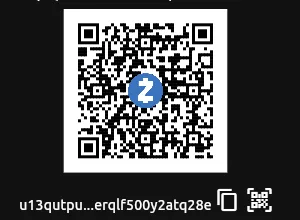
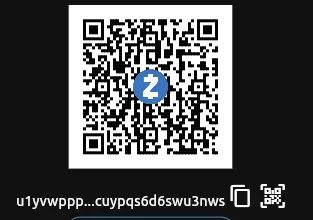
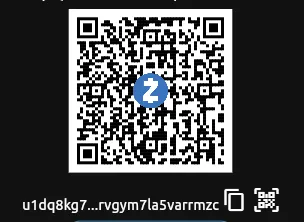
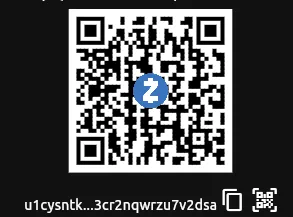
首先要注意的是,这些 UA 都来自同一个私钥!其次要注意的是,每种 UA 类型的长度:
u13qutpuktq026dwczvxmnh8mxdacsjx3kg2rrhzgns8zsty53t9y0hqp5d440zc9w7z7zkkjqw8dq0uuc0mkt883464mq8mkys7l4xjnhylh7u3u02ukknurm5yxerqlf500y2atq28e 141 个字符u1yvwppp7ann6n3pgkysdu0spvr50w4jf4jwgme3c8x8fp4av59rupgvdd3fddc3f2cwrk3ghs5lxt87ggj8cvjuzcrf4jkejwlu9pc83gk2vtx03ucqcc3ed0furcuypqs6d6swu3nws 141 个字符u1dq8kg78fgpjsc7dn2ynpdzc8xu99wra0jec4jy30rjqk5frsj62qtgqcu9nn0j8g352phlwprshancgxcuhdcclx0wxtvqylhmuegas7ul8hwnwggy727l05pyujuywtnn4nkfznctaelpkcrqcm9cxhkgv3t9jtrvgym7la5varrmzc 178 个字符u1cysntkxwt0h4sahp7rhj7u27pgc2ga7685ekf65g0d5ht5glkfm4zkumhvkd2zg2pdrgv3mrwq2x3vw2yl5u7zef3cr2nqwrzu7v2dsa 106 个字符第三要注意的是,从视觉上看,每个 UA 都略有不同!UA 的强大之处在于它们为最终用户提供的选择。如果未来需要新协议,UA 已准备就绪。
https://zcash.github.io/orchard/design/keys.html
https://medium.com/@hanh425/transaction-privacy-78f80f9f175e
Ironwood is the shielded pool activated by Network Upgrade 6.3 (NU6.3) on 28 July 2026, at block 3,428,143. It reuses the Orchard protocol and the same receiver structure, so the upgrade changed where shielded payments arrive without introducing a new address format. Ironwood is a pool, not a fourth type of address.
Status: Restricted
Status: Active
Migration depends on your wallet. Activation did not move any coins, and the sources reviewed give no migration deadline. Some wallets migrate automatically, some ask you to start a manual migration, and some have not added Ironwood support. The amount crossing from Orchard to Ironwood is public on the blockchain, while senders and recipients stay private.
In 2026, a critical soundness vulnerability was found in the original Orchard shielded pool and reported responsibly. It concerned the integrity of the money supply, not the confidentiality of shielded transaction data. The flaw was fixed in June 2026, and Ironwood was introduced as part of the network’s response. Here is what is, and is not, established:
A missing constraint in the Orchard proof circuit could, under certain conditions, have let an attacker create invalid shielded value without the proof system detecting it. It did not affect the privacy of funds in any pool.
Public technical reports state that no exploitation has been found or confirmed. A vulnerability that could permit counterfeiting is not evidence that counterfeiting occurred.
Shielded transactions hide amounts and notes by design, so a past exploit of this kind may leave no definitive on-chain evidence. That is why the risk cannot be conclusively ruled out from the chain alone.
Receivers and pools are different things. A unified address holds one receiver per protocol it supports. The Orchard pool is the legacy shielded pool described below; an Orchard receiver is the part of an address that Orchard-compatible wallets use to receive shielded funds. ZIP 316 defines no separate Ironwood receiver type: Ironwood is an Orchard-protocol pool, and ZIP 229 states that address structures and encodings do not change. Existing unified addresses, including the four combinations above, keep working, and an Orchard receiver can receive funds in the Ironwood pool. New payments to it are expected to arrive there, so an Orchard receiver does not by itself mean a payment lands in the original, now restricted, Orchard pool.
Based on ZIPs 229, 257, 258, 316 and 326, the Zcash Foundation’s NU6.2 announcement, Zodl’s Ironwood documentation and BlockSec’s technical analysis of the Orchard bug.
A new pool built on the corrected Orchard protocol, and a turnstile that stops the old pool from paying out more ZEC than verifiably entered it. This keeps total supply auditable whether or not everyone migrates.