Edit this page on GitHub (opens in a new tab)
إذا كنت تتعرّف على Zcash للمرة الأولى، فستدرك على الفور أن هناك نوعين من المعاملات (transactions) يمكن أن يحدثا: الشفافة (transparent) والمحمية (shielded). علاوة على ذلك، إذا كنت تتابع آخر التطورات في منظومة Zcash، فربما تكون قد تعرّفت على العناوين الموحدة (Unified Addresses)، أو UA. عندما يتحدث العاملون في صناعة Zcash عن المعاملات المحمية، فإنهم يقصدون المعاملات التي تتضمن عناوين مُرمَّزة إما لبروتوكول Sapling أو لبروتوكول Orchard. صُمّمت العناوين الموحدة UA لتوحيد أي نوع من المعاملات المحمية أو الشفافة في عنوان واحد. هذا التعميم هو المفتاح لتبسيط تجربة المستخدم (UX) في المستقبل. الغرض من هذا الدليل هو دعم فهم العناوين الموحدة UA بأمثلة مرئية ملموسة.
توجد حاليًا ثلاثة أنواع رئيسية من العناوين قيد الاستخدام حتى الآن. وهي

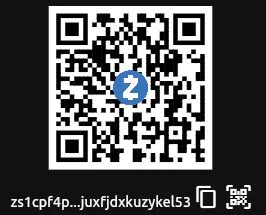
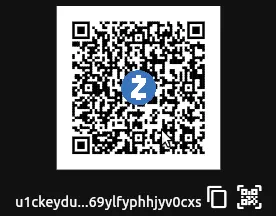
أول ما يجب ملاحظته هو اختلاف طول كل نوع من العناوين. يمكنك رؤية ذلك بصريًا من خلال عدد الأحرف في سلسلة العنوان أو بالنظر إلى رموز QR المرتبطة بها. كلما زاد طول العنوان، يميل رمز QR إلى التصغير واستيعاب مزيد من البيانات داخل المربع.
t1goiSyw2JinFCmUnfiwwp72LEZzD42TyYu يتكوّن من 35 حرفًاzs1cpf4prtmnqpg6x2ngcrwelu9a39z9l9lqukq9fwagnaqrknk34a7n3szwxpjuxfjdxkuzykel53 يتكوّن من 78 حرفًاu1ckeydud0996ftppqrnpdsqyeq4e57qcyjr4raht4dc8j3njuyj3gmm9yk7hq9k88cdkqfuqusgpcpjfhwu3plm2vrd32g8du78kzkm5un357r4vkhz4vhxd4yfl8zvszk99cmsc89qv4trd7jzkcs8h6lukzgy25j8cv76p0g603nrrg6yt6cxsh2v8rmkasskd69ylfyphhjyv0cxs يتكوّن من 213 حرفًاثاني ما يجب ملاحظته هو بادئة كل سلسلة عنوان، إذ تبدأ العناوين الشفافة بالحرف t، وعناوين Sapling بـ zs، وأخيرًا العناوين الموحدة UA بـ u1.
من المهم ملاحظة ما يلي:
كما نوقش هنا، يمكنك إنشاء عناوين موحدة UA بمستقبِلات مختلفة، أي بمزيج ما من أنواع العناوين الشفافة وSapling وOrchard. إلى جانب العنوان الموحد الكامل، إليك الأنواع الأكثر شيوعًا التي ستصادفها في الواقع:
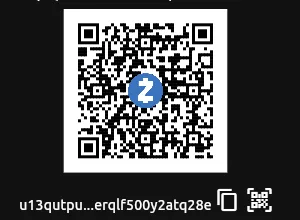
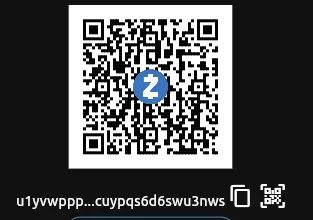
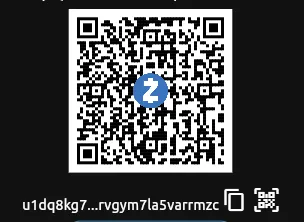
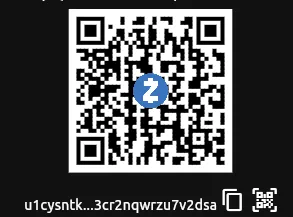
أول ما يجب ملاحظته هو أن كل هذه العناوين الموحدة UA مشتقة من المفتاح الخاص نفسه! وثاني ما يجب ملاحظته هو طول كل نوع من العناوين الموحدة:
u13qutpuktq026dwczvxmnh8mxdacsjx3kg2rrhzgns8zsty53t9y0hqp5d440zc9w7z7zkkjqw8dq0uuc0mkt883464mq8mkys7l4xjnhylh7u3u02ukknurm5yxerqlf500y2atq28e 141 حرفًاu1yvwppp7ann6n3pgkysdu0spvr50w4jf4jwgme3c8x8fp4av59rupgvdd3fddc3f2cwrk3ghs5lxt87ggj8cvjuzcrf4jkejwlu9pc83gk2vtx03ucqcc3ed0furcuypqs6d6swu3nws 141 حرفًاu1dq8kg78fgpjsc7dn2ynpdzc8xu99wra0jec4jy30rjqk5frsj62qtgqcu9nn0j8g352phlwprshancgxcuhdcclx0wxtvqylhmuegas7ul8hwnwggy727l05pyujuywtnn4nkfznctaelpkcrqcm9cxhkgv3t9jtrvgym7la5varrmzc 178 حرفًاu1cysntkxwt0h4sahp7rhj7u27pgc2ga7685ekf65g0d5ht5glkfm4zkumhvkd2zg2pdrgv3mrwq2x3vw2yl5u7zef3cr2nqwrzu7v2dsa 106 حرفًاوثالث ما يجب ملاحظته هو أن كل عنوان موحد يختلف قليلًا عن الآخر من الناحية المرئية! تكمن قوة العناوين الموحدة UA في حرية الاختيار التي تتيحها للمستخدمين النهائيين. وإذا دعت الحاجة مستقبلًا إلى بروتوكول جديد، فستكون العناوين الموحدة جاهزة للعمل.
https://zcash.github.io/orchard/design/keys.html
https://medium.com/@hanh425/transaction-privacy-78f80f9f175e
Ironwood is the shielded pool activated by Network Upgrade 6.3 (NU6.3) on 28 July 2026, at block 3,428,143. It reuses the Orchard protocol and the same receiver structure, so the upgrade changed where shielded payments arrive without introducing a new address format. Ironwood is a pool, not a fourth type of address.
Status: Restricted
Status: Active
Migration depends on your wallet. Activation did not move any coins, and the sources reviewed give no migration deadline. Some wallets migrate automatically, some ask you to start a manual migration, and some have not added Ironwood support. The amount crossing from Orchard to Ironwood is public on the blockchain, while senders and recipients stay private.
In 2026, a critical soundness vulnerability was found in the original Orchard shielded pool and reported responsibly. It concerned the integrity of the money supply, not the confidentiality of shielded transaction data. The flaw was fixed in June 2026, and Ironwood was introduced as part of the network’s response. Here is what is, and is not, established:
A missing constraint in the Orchard proof circuit could, under certain conditions, have let an attacker create invalid shielded value without the proof system detecting it. It did not affect the privacy of funds in any pool.
Public technical reports state that no exploitation has been found or confirmed. A vulnerability that could permit counterfeiting is not evidence that counterfeiting occurred.
Shielded transactions hide amounts and notes by design, so a past exploit of this kind may leave no definitive on-chain evidence. That is why the risk cannot be conclusively ruled out from the chain alone.
Receivers and pools are different things. A unified address holds one receiver per protocol it supports. The Orchard pool is the legacy shielded pool described below; an Orchard receiver is the part of an address that Orchard-compatible wallets use to receive shielded funds. ZIP 316 defines no separate Ironwood receiver type: Ironwood is an Orchard-protocol pool, and ZIP 229 states that address structures and encodings do not change. Existing unified addresses, including the four combinations above, keep working, and an Orchard receiver can receive funds in the Ironwood pool. New payments to it are expected to arrive there, so an Orchard receiver does not by itself mean a payment lands in the original, now restricted, Orchard pool.
Based on ZIPs 229, 257, 258, 316 and 326, the Zcash Foundation’s NU6.2 announcement, Zodl’s Ironwood documentation and BlockSec’s technical analysis of the Orchard bug.
A new pool built on the corrected Orchard protocol, and a turnstile that stops the old pool from paying out more ZEC than verifiably entered it. This keeps total supply auditable whether or not everyone migrates.