Edit this page on GitHub (opens in a new tab)
Zcash에 대해 처음 배우는 경우, 곧 거래에는 투명 거래와 거래정보 보호 거래, 이렇게 2가지 유형이 있음을 알게 됩니다. 또한 Zcash 생태계의 최신 동향을 살펴보고 계셨다면 통합 주소, 즉 UA에 대해 들어보셨을 수 있습니다. Zcash 업계에서 거래정보 보호 거래를 이야기할 때는 Sapling 또는 Orchard 프로토콜용으로 인코딩된 주소가 포함된 거래를 뜻합니다. UA는 거래정보 보호 주소나 투명 주소 등 모든 유형의 거래를 하나의 주소로 통합하도록 설계되었습니다. 이러한 일반화는 앞으로 사용자 경험(UX)을 단순화하는 핵심입니다. 이 가이드는 구체적인 시각적 예시를 통해 UA에 대한 이해를 돕기 위해 작성되었습니다.
현재까지 사용되고 있는 주요 주소 유형은 3가지입니다. 다음과 같습니다.

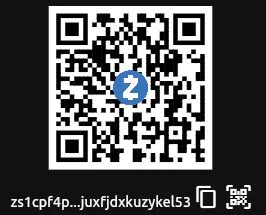
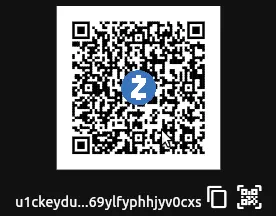
먼저 각 주소 유형의 길이가 서로 다르다는 점을 확인해 보세요. 주소 문자열의 문자 수를 세거나 해당 QR 코드를 살펴보면 이를 시각적으로 알 수 있습니다. 주소가 길어질수록 QR 코드는 더 많은 데이터를 정사각형 안에 담기 위해 축소되는 경향이 있습니다.
t1goiSyw2JinFCmUnfiwwp72LEZzD42TyYu은 35자입니다.zs1cpf4prtmnqpg6x2ngcrwelu9a39z9l9lqukq9fwagnaqrknk34a7n3szwxpjuxfjdxkuzykel53은 78자입니다.u1ckeydud0996ftppqrnpdsqyeq4e57qcyjr4raht4dc8j3njuyj3gmm9yk7hq9k88cdkqfuqusgpcpjfhwu3plm2vrd32g8du78kzkm5un357r4vkhz4vhxd4yfl8zvszk99cmsc89qv4trd7jzkcs8h6lukzgy25j8cv76p0g603nrrg6yt6cxsh2v8rmkasskd69ylfyphhjyv0cxs은 213자입니다.두 번째로 각 주소 문자열의 접두사를 살펴보세요. 투명 주소는 t로, Sapling 주소는 zs로 시작하며 UA는 u1로 시작합니다.
다음 사항에 유의하세요.
여기에서 설명한 것처럼 UA는 서로 다른 리시버로 구성할 수 있습니다. 즉, 투명 주소, Sapling 주소, Orchard 주소 유형을 조합할 수 있습니다. 전체 UA 외에도 실제로 가장 흔히 볼 수 있는 유형은 다음과 같습니다.
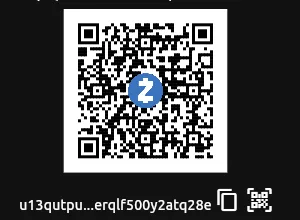
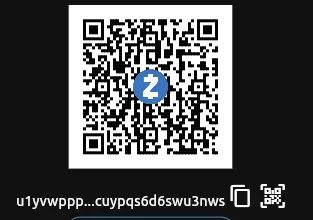
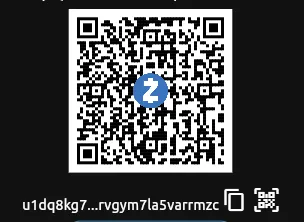
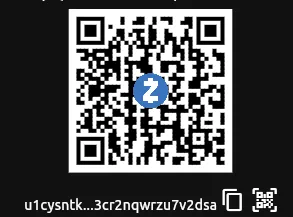
먼저 이 UA들이 모두 동일한 프라이빗 키에서 생성되었다는 점에 유의하세요. 두 번째로 각 UA 유형의 길이를 살펴보세요.
u13qutpuktq026dwczvxmnh8mxdacsjx3kg2rrhzgns8zsty53t9y0hqp5d440zc9w7z7zkkjqw8dq0uuc0mkt883464mq8mkys7l4xjnhylh7u3u02ukknurm5yxerqlf500y2atq28e 141자u1yvwppp7ann6n3pgkysdu0spvr50w4jf4jwgme3c8x8fp4av59rupgvdd3fddc3f2cwrk3ghs5lxt87ggj8cvjuzcrf4jkejwlu9pc83gk2vtx03ucqcc3ed0furcuypqs6d6swu3nws 141자u1dq8kg78fgpjsc7dn2ynpdzc8xu99wra0jec4jy30rjqk5frsj62qtgqcu9nn0j8g352phlwprshancgxcuhdcclx0wxtvqylhmuegas7ul8hwnwggy727l05pyujuywtnn4nkfznctaelpkcrqcm9cxhkgv3t9jtrvgym7la5varrmzc 178자u1cysntkxwt0h4sahp7rhj7u27pgc2ga7685ekf65g0d5ht5glkfm4zkumhvkd2zg2pdrgv3mrwq2x3vw2yl5u7zef3cr2nqwrzu7v2dsa 106자세 번째로 각 UA가 시각적으로 조금씩 다르다는 점에 유의하세요. UA의 강점은 최종 사용자에게 제공하는 선택권입니다. 앞으로 새로운 프로토콜이 필요해지더라도 UA는 바로 사용할 수 있습니다.
https://zcash.github.io/orchard/design/keys.html
https://medium.com/@hanh425/transaction-privacy-78f80f9f175e
Ironwood is the shielded pool activated by Network Upgrade 6.3 (NU6.3) on 28 July 2026, at block 3,428,143. It reuses the Orchard protocol and the same receiver structure, so the upgrade changed where shielded payments arrive without introducing a new address format. Ironwood is a pool, not a fourth type of address.
Status: Restricted
Status: Active
Migration depends on your wallet. Activation did not move any coins, and the sources reviewed give no migration deadline. Some wallets migrate automatically, some ask you to start a manual migration, and some have not added Ironwood support. The amount crossing from Orchard to Ironwood is public on the blockchain, while senders and recipients stay private.
In 2026, a critical soundness vulnerability was found in the original Orchard shielded pool and reported responsibly. It concerned the integrity of the money supply, not the confidentiality of shielded transaction data. The flaw was fixed in June 2026, and Ironwood was introduced as part of the network’s response. Here is what is, and is not, established:
A missing constraint in the Orchard proof circuit could, under certain conditions, have let an attacker create invalid shielded value without the proof system detecting it. It did not affect the privacy of funds in any pool.
Public technical reports state that no exploitation has been found or confirmed. A vulnerability that could permit counterfeiting is not evidence that counterfeiting occurred.
Shielded transactions hide amounts and notes by design, so a past exploit of this kind may leave no definitive on-chain evidence. That is why the risk cannot be conclusively ruled out from the chain alone.
Receivers and pools are different things. A unified address holds one receiver per protocol it supports. The Orchard pool is the legacy shielded pool described below; an Orchard receiver is the part of an address that Orchard-compatible wallets use to receive shielded funds. ZIP 316 defines no separate Ironwood receiver type: Ironwood is an Orchard-protocol pool, and ZIP 229 states that address structures and encodings do not change. Existing unified addresses, including the four combinations above, keep working, and an Orchard receiver can receive funds in the Ironwood pool. New payments to it are expected to arrive there, so an Orchard receiver does not by itself mean a payment lands in the original, now restricted, Orchard pool.
Based on ZIPs 229, 257, 258, 316 and 326, the Zcash Foundation’s NU6.2 announcement, Zodl’s Ironwood documentation and BlockSec’s technical analysis of the Orchard bug.
A new pool built on the corrected Orchard protocol, and a turnstile that stops the old pool from paying out more ZEC than verifiably entered it. This keeps total supply auditable whether or not everyone migrates.