Edit this page on GitHub (opens in a new tab)
Zcashについて初めて学ぶ場合、発生し得るトランザクション(transactions)には、公開型(transparent)とシールドされた(shielded)の2種類があることにすぐ気付くでしょう。 さらに、Zcashエコシステムの最新動向を追っている場合は、UAとも呼ばれる統合アドレス(Unified Addresses)について学んだことがあるかもしれません。 Zcash業界の人々がシールドされたトランザクションについて話すとき、それはsaplingまたはorchardプロトコルのいずれかに対応してエンコードされたアドレスを含むトランザクションを指します。 UAは、あらゆる種類のシールドされたトランザクションまたは公開型トランザクションを単一のアドレスに統合するよう設計されています。この一般化が、今後UXを簡素化する鍵となります。このガイドの目的は、具体的な視覚的な例を用いてUAへの理解を補うことです。
現在までに、主に3種類のアドレスが使用されています。これには以下が含まれます。


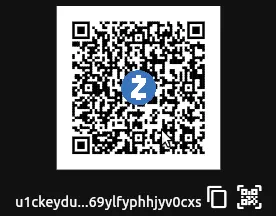
最初に注目すべき点は、各種類のアドレスの長さが異なることです。これは、アドレス文字列の文字数、または関連するQRコードを見ることで視覚的に確認できます。アドレスが長くなるにつれて、QRコードは縮小され、正方形の中により多くのデータを収める傾向があります。
t1goiSyw2JinFCmUnfiwwp72LEZzD42TyYuは35文字ですzs1cpf4prtmnqpg6x2ngcrwelu9a39z9l9lqukq9fwagnaqrknk34a7n3szwxpjuxfjdxkuzykel53は78文字ですu1ckeydud0996ftppqrnpdsqyeq4e57qcyjr4raht4dc8j3njuyj3gmm9yk7hq9k88cdkqfuqusgpcpjfhwu3plm2vrd32g8du78kzkm5un357r4vkhz4vhxd4yfl8zvszk99cmsc89qv4trd7jzkcs8h6lukzgy25j8cv76p0g603nrrg6yt6cxsh2v8rmkasskd69ylfyphhjyv0cxsは213文字です次に注目すべき点は、各アドレス文字列の接頭辞です。公開型はtで始まり、saplingはzsで始まり、最後にUAはu1で始まります。
以下に注意することが重要です。
こちらで説明したように、公開型、sapling、orchardのアドレス種類を組み合わせた異なるレシーバーでUAを構築できます。 完全なUAに加えて、実際によく見かけるものは以下のとおりです。
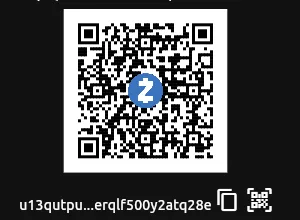
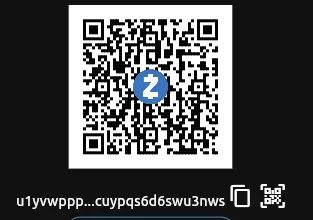
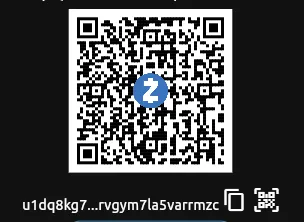
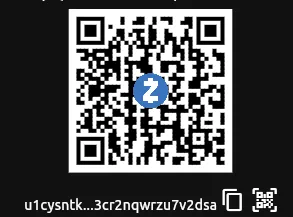
最初に注目すべき点は、これらのUAがすべて同じ秘密鍵から作られていることです。次に注目すべき点は、各種類のUAの長さです。
u13qutpuktq026dwczvxmnh8mxdacsjx3kg2rrhzgns8zsty53t9y0hqp5d440zc9w7z7zkkjqw8dq0uuc0mkt883464mq8mkys7l4xjnhylh7u3u02ukknurm5yxerqlf500y2atq28e 141文字u1yvwppp7ann6n3pgkysdu0spvr50w4jf4jwgme3c8x8fp4av59rupgvdd3fddc3f2cwrk3ghs5lxt87ggj8cvjuzcrf4jkejwlu9pc83gk2vtx03ucqcc3ed0furcuypqs6d6swu3nws 141文字u1dq8kg78fgpjsc7dn2ynpdzc8xu99wra0jec4jy30rjqk5frsj62qtgqcu9nn0j8g352phlwprshancgxcuhdcclx0wxtvqylhmuegas7ul8hwnwggy727l05pyujuywtnn4nkfznctaelpkcrqcm9cxhkgv3t9jtrvgym7la5varrmzc 178文字u1cysntkxwt0h4sahp7rhj7u27pgc2ga7685ekf65g0d5ht5glkfm4zkumhvkd2zg2pdrgv3mrwq2x3vw2yl5u7zef3cr2nqwrzu7v2dsa 106文字3つ目に注目すべき点は、視覚的に各UAがわずかに異なることです。UAの力は、エンドユーザーに提供する選択肢にあります。将来新しいプロトコルが必要になった場合でも、UAはすぐに対応できます。
https://zcash.github.io/orchard/design/keys.html
https://medium.com/@hanh425/transaction-privacy-78f80f9f175e
Ironwood is the shielded pool activated by Network Upgrade 6.3 (NU6.3) on 28 July 2026, at block 3,428,143. It reuses the Orchard protocol and the same receiver structure, so the upgrade changed where shielded payments arrive without introducing a new address format. Ironwood is a pool, not a fourth type of address.
Status: Restricted
Status: Active
Migration depends on your wallet. Activation did not move any coins, and the sources reviewed give no migration deadline. Some wallets migrate automatically, some ask you to start a manual migration, and some have not added Ironwood support. The amount crossing from Orchard to Ironwood is public on the blockchain, while senders and recipients stay private.
In 2026, a critical soundness vulnerability was found in the original Orchard shielded pool and reported responsibly. It concerned the integrity of the money supply, not the confidentiality of shielded transaction data. The flaw was fixed in June 2026, and Ironwood was introduced as part of the network’s response. Here is what is, and is not, established:
A missing constraint in the Orchard proof circuit could, under certain conditions, have let an attacker create invalid shielded value without the proof system detecting it. It did not affect the privacy of funds in any pool.
Public technical reports state that no exploitation has been found or confirmed. A vulnerability that could permit counterfeiting is not evidence that counterfeiting occurred.
Shielded transactions hide amounts and notes by design, so a past exploit of this kind may leave no definitive on-chain evidence. That is why the risk cannot be conclusively ruled out from the chain alone.
Receivers and pools are different things. A unified address holds one receiver per protocol it supports. The Orchard pool is the legacy shielded pool described below; an Orchard receiver is the part of an address that Orchard-compatible wallets use to receive shielded funds. ZIP 316 defines no separate Ironwood receiver type: Ironwood is an Orchard-protocol pool, and ZIP 229 states that address structures and encodings do not change. Existing unified addresses, including the four combinations above, keep working, and an Orchard receiver can receive funds in the Ironwood pool. New payments to it are expected to arrive there, so an Orchard receiver does not by itself mean a payment lands in the original, now restricted, Orchard pool.
Based on ZIPs 229, 257, 258, 316 and 326, the Zcash Foundation’s NU6.2 announcement, Zodl’s Ironwood documentation and BlockSec’s technical analysis of the Orchard bug.
A new pool built on the corrected Orchard protocol, and a turnstile that stops the old pool from paying out more ZEC than verifiably entered it. This keeps total supply auditable whether or not everyone migrates.