Loading...


By : [Abhishek Tiwari] [Onye na-ese ihe nkiri a bụ onye isi ụlọ ọrụ anyị. ]
In the ever-shifting landscape of global finance, a new chapter is unfolding—one that raises more than a few eyebrows. Central Bank Digital Currencies (CBDCs) emerge not just as protagonists but as potential agents of financial upheaval, casting shadows on the traditional understanding of money and triggering concerns about privacy, surveillance, and governmental interference.
Cheedị echiche ụwa ebe azụmahịa ego na-ahapụ akara a na-apụghị ihichapụ apụ n'ọchịchọ dijitalụ, ụwa nke CBDCs innovations mere ka ọ pụta ìhè bụ́ ndị kwere nkwa mgbanwe ma gosipụtakwa ọdịnihu dị njọ.
At the heart of this digital metamorphosis lies the concept of CBDCs, a concept that, while intriguing, raises red flags. Imagine your nation's currency transformed into the binary code of the digital realm, where the central bank takes center stage in an unprecedented symphony of financial control. No longer confined to the physicality of bills and coins, CBDCs become dynamic forces, shaping a future marred by concerns of governmental overreach.
Ma njem a abụghị nke ndị na-enweghị obi abụọ. Ka CBDCs na-agba mbọ imebi ihe mgbochi, ajụjụ ahụ bilitere: Ha bụ ebe nchekwa ma ọ bụ ịnyịnya Trojan nke mebiri nzuzo ego? Nkwa nke nsonye ghọrọ mma agha ihu abụọ ka onyinyo azụmahịa azụmaahịa dị ukwuu, na-ahapụ ndị mmadụ n'otu n'ime anya dijitalụ.
Ka anyị na-agagharị n'ala dijitalụ a, ụfọdụ CBDCs anaghị egosipụta ọgụgụ isi kama ọ bụ igbe Pandora nwere ike. Ha nwere ike imezu nkwekọrịta, rụọ ọrụ ego akpaghị aka ma gbaa egwu maka usoro mmemme nke ego. Ajụjụ ahụ bilitere: Nke a ọ bụ akara ngosi nke ọganihu ka ọ bụ ihe dị ize ndụ ịbanye n'ime mpaghara akụnụba amaghị?
Yet, as with any grand voyage, challenges abound, and the shadows cast by CBDCs become more pronounced. The transparency of transactions threatens the very essence of privacy. As transactions become traceable, a new era of financial surveillance emerges, leaving individuals vulnerable to unwarranted scrutiny.
N'ihe banyere cybersecurity, onye a na-amaghị ama ghọrọ ihe dị mkpa. Ihe ize ndụ nke CBDCs maka iyi egwu ịntanetị aghọwo akụkụ ọzọ n'akụkọ anyị. Ka anyị malitere njem dijitalụ a, nzọ ndị ahụ dị elu, nlekọta data onwe ya abụrụkwa isi.
And what of traditional banking structures? The stability we've known for decades faces potential disruptions, and the foundations of traditional banks tremble in the wake of CBDCs. As Central Banks become direct competitors to payment service providers, banks might lose income. Likewise, a new form of investment opportunity may reduce consumer deposit demand. In return, this could reduce bank lending to overall economy and hence, economic growth. It's a delicate dance between innovation and the fear of financial instability, where the outcome remains uncertain.
The HRF’s just-launched Central Bank Digital Currency Tracker profiles each country taking steps toward a CBDC, and links these moves on a web page with information on that country’s record on human rights and corruption. In compiling the tracker, HRF found that “dictatorships are leading the charge in CBDC deployment.” HRF estimates that 3.7 billion people – 46% of the world population – live under dictatorships experimenting with CBDCs.
CBDCs na-enwe ike ịdaba n'ike ọkụ eletrik ma ọ bụ njikọ ịntanetị ezughi oke.
Imejuputa CBDCs na-aghọ ọchụchọ onye dike anyị, njem juputara na teknụzụ, usoro iwu, yana nsogbu ndị metụtara ya. Ọkpụkpọ oku iji mepụta ego dijitalụ abụghị naanị ihe ọhụrụ kama ọ bụ òkù nwere ike itinye aka gọọmentị na njikwa n'ime sistemụ akụnụba.
China: Digital Currency Electronic Payment (DCEP)
In the dystopian streets of China, the Digital Currency Electronic Payment (DCEP) unfolds not as a marvel, but as a harbinger of societal control with its own set of ominous financial shadows. Everyday transactions pulse with life, courtesy of programmable money and the allure of offline capabilities.
** Ihe ndị e ji mara ya:** DCEP goes beyond being a digital surrogate, designed to seamlessly facilitate everyday transactions. However, the shadows of increased surveillance raise concerns about privacy. The delicate balance between technological progress and individual rights becomes a cause for scrutiny, foreshadowing a future where personal freedoms are sacrificed.
** Ihe ndekọ gara aga:** Akụkọ ihe mere eme nke China banyere enweghị nghọta na gọọmentị n'ihe gbasara ụlọ akụ bụ ọnọdụ gbara ọchịchịrị maka akụkọ a. Ike DCEP nwere ịgbasawanye iru ọchịchị ahụ gaa azụmahịa ego onwe onye na-agbakwunye nchegbu, nyere ndekọ egwu mba ahụ iji gbochie esemokwu ma mebie nnwere onwe ndị mmadụ.
United States: Digital Dollar Project Ọ bụ ihe a na-akpọ 'Digital dollar' n'asụsụ Igbo.

In the vast, despondent landscapes of the United States, the Digital Dollar Project emerges not as a beacon of progress but as a testament to efficiency and inclusivity, albeit with its share of uncertainties. A private-sector initiative, it aims to reshape the financial landscape in a narrative tinged with shades of corporate control.
** Ihe ndị e ji mara ya:** Efficiency and inclusivity take center stage in this narrative, but the shadows of regulatory challenges and data security loom large, casting doubt on the project's potential impact on individual liberties. Ongoing legislative discussions mark the narrative, but the outcome remains uncertain in a story clouded by ambiguity.
** Ihe ndekọ gara aga:** The U.S. has a complex history of financial regulation, with frequent debates on privacy and government intervention. The Digital Dollar Project's success depends on clear boundaries defined by a well-defined regulatory framework, an aspiration that seems increasingly elusive in a world dominated by corporate interests.
Sweden: E-Krona

As we traverse the desolate landscapes of Sweden, the E-Krona unfolds as a narrative of adaptability, but not without its financial pitfalls. It's a digital evolution focused on maintaining access to currency in a cashless society, portraying a society devoid of the familiar comforts of physical cash.
** Ihe ndị e ji mara ya:** E-Krona na-elekwasị anya n'inweta ohere, ma chọọ ịbụ ihe ọzọ nwere ike ịnagide ego nkịtị n'ụwa ebe amaghị aha dị ụkọ. Agbanyeghị, nsogbu bilitere, ọkachasị n'ime ime obodo, nchegbu nzuzo ka dịkwa, nke a na-emebi ikike nnwere onwe onye ọ bụla.
** Ihe ndekọ gara aga:** Sweden's past record of financial innovation is overshadowed by the potential challenges of integrating a digital currency into existing structures. The balancing act between progress and protection becomes increasingly precarious in a narrative steeped in shadows.
European Union: Mpaghara Euro CBDC

Njem anyị na-agwụ n'ihe ndị mba dị iche iche mejupụtara European Union, ebe Eurozone CBDC anaghị achọ iji ego nkịtị emeju kama ọ bụ ịkpụzi ụzọ njikwa na nkwekọ n'ọnọdụ akụnụba.
** Ihe ndị e ji mara ya:** Ihe ndekọ CBDC nke Eurozone na-agbanye gburugburu iji mejuo ego nkịtị, ịkwalite ịkwụ ụgwọ oke ala, yana ịzụlite echiche ọhụụ gbasara ego - ebumnuche ndị kpuchiri nzube gbara ọchịchịrị nke njikwa etiti. Nkwekọrịta iwu na-aghọ isi ihe, na-eme ka ahụmịhe onye ọrụ kwekọrọ ma dị nchebe, mana n'ihe banyere nnwere onwe ego mmadụ ọ bụla.
** Ihe ndekọ gara aga:** The diverse regulatory landscapes among EU member states pose challenges for seamless integration, painting a picture of a fragmented financial dystopia. Navigating these challenges becomes crucial for a secure and consistent user experience, though the shadow of centralized control looms large.
** Ihe Nchekwa:** The safety of the Eurozone CBDC lies in successfully navigating regulatory challenges. If it achieves harmonization among EU member states, it can contribute to a secure and consistent user experience in the digital financial landscape
As our critical exploration of the digital odyssey unfolds, a parallel narrative emerges—the human side of the digital saga. Privacy, once a sacred right, becomes a character in our story, facing erosion in the face of traceable transactions and the fear of unwarranted surveillance.
Government surveillance, once a distant concept, becomes a potential antagonist. The misuse of CBDC technology could grant unprecedented access to citizens' financial transactions, a narrative reminiscent of Orwellian nightmares threatening the right to financial privacy.
Financial inclusion, once a beacon of hope, faces the shadows of potential discrimination. The misuse of CBDCs could lead to selective access, violating principles of equal treatment and inclusivity. It's a subplot that challenges the very essence of financial freedom.
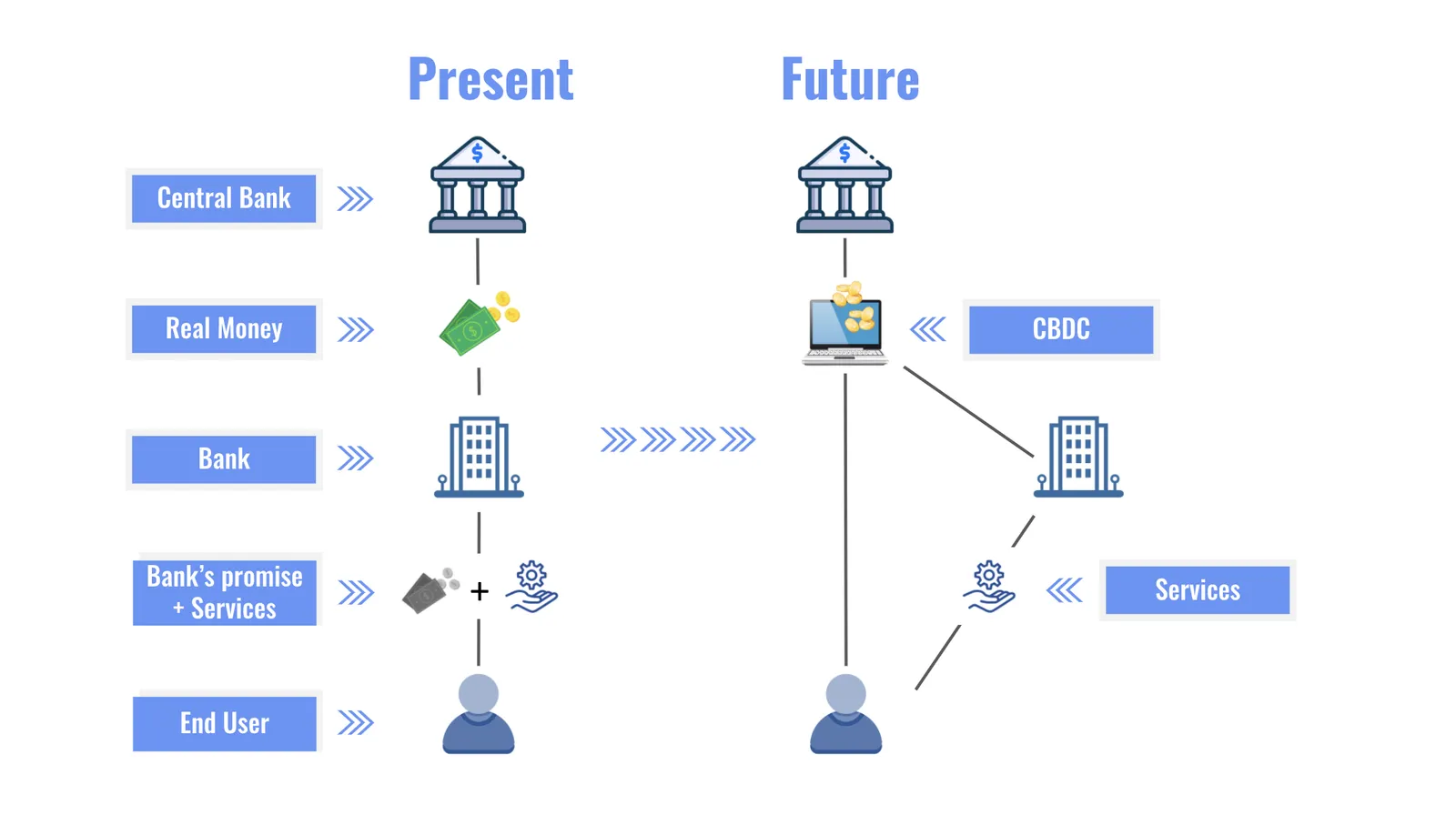
Maka ndị na-abanye n'ókèala a na-amaghị nke CBDC, akụnụba ga-abụ kọmpas gị.
Akụ ndị a na-enye nlele nke ọdịdị ala, na-eweta nghọta, nyocha, yana mmelite banyere odyssey dijitalụ.
As we sail through the uncharted waters tainted by past financial flaws and government interference, our narrative takes unexpected turns. From the bustling streets of China to the serene landscapes of Sweden, the legislative battlegrounds of the United States, and the coordinated efforts of the European Union, the digital odyssey is a tapestry woven with innovation, challenges, and human narratives.
Nzuzo, nchekwa cyber na nkwụsi ike ego ghọrọ ihe odide n'akụkọ dystopian anyị, nke ọ bụla na-arụ ọrụ dị oke mkpa n'ịkpụzi akụkọ banyere CBDCs n'etiti ndị mmụọ ọjọọ nke mmebi iwu gara aga na itinye aka gọọmentị nwere. Ọ bụghị naanị njem evolushọn dijitalụ; ọ bụ ịchọ nguzozi, ebe ọganihu zutere nchebe, onyinyo nke mmejọ ego gara aga yana nnyonye anya gọọmentì buru ibu.
In this dystopian odyssey, let's stay informed, ask probing questions, and navigate with wisdom. As we explore the uncharted waters of CBDCs tainted by past financial flaws and potential government interference, let our rights, privacy, and financial landscape remain secure and resilient. The future is digital—let's embark on this journey with open minds, wise hearts, and a critical eye on the shadows of past financial flaws and governmental interference that may threaten our financial freedom.